
Accessory Guide
iPhone Duo Cases and Hinge Protection: A Wholesale Checklist
Hinge clearance, inner-panel guards, MagSafe alignment and the cased-width number that decides whether a clamp mount still fits.
Hinge clearance, inner-panel guards, MagSafe alignment and the cased-width number that decides whether a clamp mount still fits.
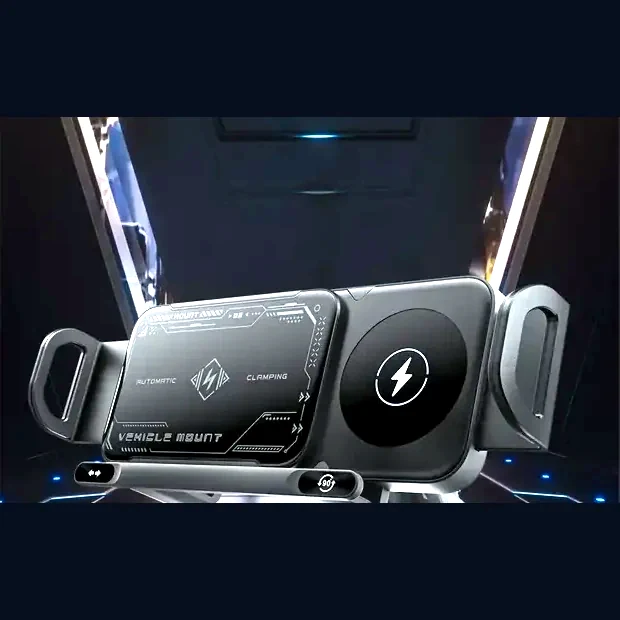
Foldable cases fail in a place slab cases never have to think about: the seam. A shell that adds even a fraction of a millimetre of pressure at the hinge accelerates crease wear, and a case that leaves the inner panel unsupported turns a drop into a panel replacement. For wholesalers, this is the highest-margin accessory category on the Duo — and the one where bad product generates the most returns.
A slab case is a five-sided box. A foldable case is two shells joined by a mechanism that must survive tens of thousands of cycles while never touching the display. That means four design constraints that do not exist for ordinary cases:
| Check | Target | How to test |
|---|---|---|
| Folded width, cased | ≤ 90 mm to stay inside wide-jaw mounts | Calliper across the closed device with the case fitted |
| Hinge gap | Visible clearance, no contact at any fold angle | Fold slowly through 0–180° and watch the spine |
| Inner lip height | Raised, but no contact when closed | Close the device with a sheet of paper over the panel; it should slide free |
| Magnet ring position | Concentric with the device ring | Charging-speed test on a 15 W puck, cased vs bare |
| Drop test | Corner-first, both halves | 1.2 m onto concrete, six orientations, two units |
The paper test in row three is the cheapest and most revealing one in the table. If the inner lip touches the panel when closed, that case will produce crease complaints inside three months.
Foldable cases carry higher margins than slab cases for a simple reason: the buyer has already spent $1,999 and is unusually motivated to protect it. Three tiers work well in wholesale programmes:
Every case adds width. If your mount's maximum jaw opening is 82 mm and a cased Duo measures 88 mm, the combination fails — and the customer blames the mount, not the case. Publish jaw ranges in millimetres and state clearly whether the figure is bare or cased. Our compatibility table lists body widths bare; add the case allowance on top.
For magnetic mounts the case matters less for fit and more for distance: a thick seam-side shell can push the phone far enough off the ring to cut charging speed. Test cased, always.
Yes. The hinged body means standard iPhone cases will not fit, and the inner panel needs seam-safe protection rather than a single-material shell.
Pressure at the hinge seam. Even a small amount of contact at the fold accelerates crease wear and generates returns.
Bare it is 84.1 mm. Budget for roughly 88–90 mm with a case, and make sure any clamp mount exceeds that.
Not if the ring is properly aligned, but thickness costs speed. Test charging with the case fitted, not bare.
Yes for this device — the 1.4:1 inner screen makes tented and landscape viewing a daily behaviour rather than an occasional one.
The slim everyday shell on volume, rugged travel on margin, and bundles with a magnetic mount on average order value.
Mount-ready cases, hinge-safe shells and magnetic holders — factory-direct, OEM/ODM.